
Information on How to Cycle a Home Aquarium
All aquariums have got to be cycled before you put fish in them. It doesn’t matter whether the aquarium is 5 gallons, or 500 gallons, it will not be able to sustain life without a filtration system that can process the toxic waste and remove it properly. Many people will probably cycle an aquarium without even realising it believe it or not. The first tank I ever got had small community fish in it, tetras and guppies. I couldn’t understand why they kept dying, each day one of the fish would be floating on the surface, I kept replacing them each time one would die. After a month or so they stopped dying. What I didn’t realise at the time is that I inadvertently cycled the aquarium. The small fish that I kept buying were providing the necessary ammonia that is needed to cycle an aquarium. The following article will explain how you can cycle your aquarium properly without losing lots of fish.
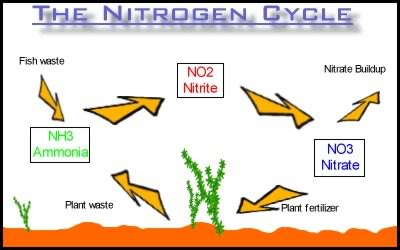
NITROGEN CYCLE
This image shows how the nitrogen cycle works. You can see that ammonia is produced through the fishes waste and respiration. The ammonia is then converted to nitrite in your filtration system. A similar process using slightly different bacteria converts nitrite into nitrate. It’s important to remember that decaying plants, food and any dead fish will also produce ammonia which will be processed in exactly the same way.
So exactly what is cycling?
Cycling a fish tank DOES NOT mean filling it with water and leaving it to stand for a week or two. it’s very important that you know how to cycle a fish tank properly. Keeping fish in a fish tank is a huge compromise compared to what their life would be in the wild. Fish don’t have to worry about ammonia or nitrite in their natural environment, they have millions and millions of gallons of water at their disposal. Once you put a fish into an aquarium you have a completely different ball game altogether, you now have a situation where dangerous toxins can easily overcome an aquarium and kill all of your precious fish. An aquarium that is properly maintained becomes a living environment that can sustain life for many years if maintained properly. Before you add any fish to a tank, it is vitally important that you prepare it properly so that the fish have a suitable environment to live in. It is not just a case of filling a tank full of water and plonking your fish in it. People who are new to fish keeping often go out and buy an aquarium set up, fill it with water and then just add their fish. They then start wondering why the fish start dying within the week. Basically, the fish are being poisoned to death by their own waste. A basic complete aquarium setup consists of the aquarium itself, a lighting system, a heater, and a filter. The heater and lighting are self-explanatory. However, the filter is a little bit more complex than a lot of people actually realise. Newcomers to Aquatics tend to think that the filter is just for removing debris from the tank. Yes, the filter does this, but that is only half of the story.
Your filter is actually the heart of your tank, without it, your fish will not survive. Whereas a brand new filter will remove solid waste, it will not remove dangerous toxins. The filtration system will only do this once you have the correct bacteria living within it. Growing bacteria in a new filtration system is commonly known as “cycling”.
When the fish goes to the toilet, ammonia is produced (NH3, NH4). In a tank that has been cycle properly, the nitrifying bacteria that inhabit the filtration system turns ammonia into nitrite (NO2) which is then turned into nitrate (NO3).
So the term “cycling a fish tank” simply means establishing a bacteria colony in your filter so that fish will stay healthy and not die from toxic poisoning.
Fresh water testing kit
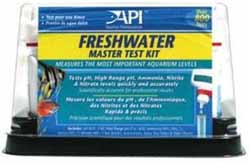
During the period of cycling your aquarium you will need to be testing your water on a regular basis. If you’ve been taking your water to get it tested at the fish store then I would strongly advise you to forget about that and do the testing yourself. Testing water is very easy and straightforward and takes only a few minutes depending on what test kits you are using. You’re going to need to test for ammonia, nitrite, nitrates and pH. I would advise you to get what is called a “master” testing kit. This basically means that it contains all the water tests you need. I have used various companies over the years including Tetra and Hagen
, however the best test kits I have used in recent years are manufactured by API
Cycling a fish tank
Traditionally there are two ways to cycle a fish tank. The most common way is to use fish as a source of your ammonia. The other way is to carry out a “fishless cycle”. As the name suggests you don’t use fish as a source of ammonia, you use liquid ammonia which can be found in household cleaning products.
If you are changing aquariums then you can use existing biological media from the filter that is running on the old tank, this biological media will already have healthy bacteria living on it. Obviously it very much depends on how much media you have at your disposal, but even a small amount will be enough to jumpstart the new filtration system. When we take existing media from an old filter to add to a new, we call this “seedling” the new filter. Just remember to keep the old media wet while you are changing aquariums. If the process of changing aquariums is going to take a while then you could help your beneficial bacteria by placing an air stone in with the media, this will oxygenate the bacteria and help keep them alive and healthy. If you are starting from scratch with a completely new aquarium filtration system then the whole process of cycling will take several weeks to complete if you are using fish as a source of ammonia. Cycling your tank using liquid ammonia can cut this period down considerably to just two or three weeks.
Some people like to use existing tank water, substrate, rocks and decor to help seed the new tank. Even though there won’t be an enormous amount of bacteria present in the water and substrate, there will be some and every little bit counts.
You can use any freshwater tropical fish you like to cycle and aquarium, as long as you have a source of ammonia, the cycling process will be the same. However, you have got to remember that during the cycling process, the fish will be put under a lot of stress due to the amount of ammonia they will be exposed to. Therefore do not use Oscars to cycle your aquarium as you could damage their immune system. Even though they may survive the cycling, they could start running into health problems later on in life. It sounds a little bit mercenary but you are better off using fish that you are not going to keep long-term. You can use such fish as Danios, Barbs, Tetras, Guppies, Convicts, Plecos, Mollies, Firemouths. These are just a few that I know our members have used successfully. However, everybody will tell you that if you can get hold of some pre-seeded media then you will definitely aid the cycling process. Just be aware that you will be exposing these fish to high levels of ammonia so don’t get too upset if you do have a few fatalities. I better mention goldfish while we are talking about what fish to use for cycling. There is a little bit of controversy to whether or not goldfish should be used to cycle a tropical aquarium. Some people suggest that because they are cold water they shouldn’t be used. Other people are worried that because goldfish are produced in massive numbers, they can often harvest disease which can be passed onto your new aquarium. Having said this, some of our members have successfully cycled their tank using goldfish so that is something for you to consider. All I would say is that if you are going to use goldfish, source them from a reputable shop that can guarantee they are disease-free and healthy.
One important thing to remember is you will need some water quality testing kits that you will need to use every couple of days during the cycling process. Either this or get your local fish store to test your water for you. My advice would be to learn how to test the water yourself, it’s very easy and isn’t complicated at all. Knowing how to test your aquarium water yourself is really very important if you are serious about keeping tropical fish, especially Oscar fish.
If you are cycling a large aquarium then you may find it takes a day or two, maybe longer before the ammonia rises to a level that water changes need to be carried out. To be perfectly honest with you, it’s very difficult for me to predict exactly when the ammonia in your particular tank rises to a level that the water will need to be changed.
If the ammonia is under 0.25 then you are okay. If it’s between 0.25 & 0.5 then carry out a sizable water change, I would say no more than 50%. If your ammonia is very high, 1.0 and above, carry out a very large water change, 75%, 80%. Many people do a water test directly after the water change. Sometimes you can get false readings doing it this way so always carry out your water tests before your water change. It’s not worth panicking about, your water change should remove the ammonia so don’t worry.
I’m not going to commit myself and say how long it will be before ammonia returns to zero so don’t worry yourself if the ammonia remains present for a while. At some stage you will test your water and the ammonia will be 0. Then if everything runs smoothly, you will notice an increase in your nitrite level. Once again, your nitrite will eventually drop down to 0. you will eventually start seeing a nitrate reading. It may be a case that nitrate becomes present at a much earlier stage, however concentrate on your ammonia and nitrite until they remain stable at zero. Nitrate is a byproduct of ammonia and nitrite and is not toxic like ammonia or nitrite. Once your ammonia and nitrite are zero, you have established a biological filter and your tank is cycled. The whole process could take six or seven weeks so be patient. Try not to panic during the cycling process if one day your ammonia is higher than the previous day, if you just carry on monitoring the ammonia and nitrite and do water changes accordingly, eventually the bacteria in your filtration will buildup to the extent that you will not have any ammonia or nitrite present, but you have to remember it will take several weeks if you are just using a few small community fish, so be patient. Do not clean your filters during the cycling process, unless you have some very fine polishing pads that get clogged up very quickly.
When your aquarium is showing signs of being fully cycled, i.e. ammonia and nitrite are reading 0, and you have a decent amount of nitrate being produced, you can then start adding your fish. One important thing to remember is that a newly cycled tank will not be completely stable. Don’t be tempted to go out and buy a tank full of fish straightaway. Introduce fish gradually and let your biological filter catch up with the bio load that the fish produce. You’re much better off doing it gradually than risking running into problems by adding too much too quickly.
Cycling an aquarium can be both lengthy and frustrating at the best of times. If you are doing it for the first time then you may well be pulling your hair out after the first two or three weeks. The best advice I can give you is just stick with it and follow our instructions, eventually all will come good, I guarantee it 🙂
So to reiterate on what we have learned:
- You must cycle your aquarium before fish can live in it and survive long-term
- You can either use community fish, or liquid ammonia in a bottle
to cycle your aquarium
- If possible use biological filter media, gravel and water from a cycled tank.
- Test your water every day so as to maintain a safe ammonia/nitrite level
- Add fish gradually once your tank is cycled to avoid excess ammonia building up
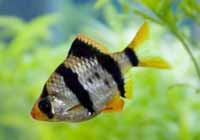
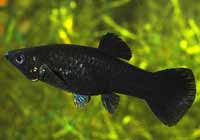
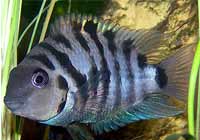
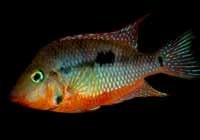
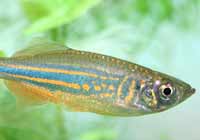
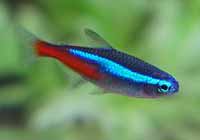
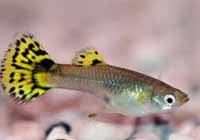
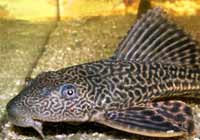
Pictured above are several fish that make good candidates for cycling an aquarium. Pictured from top left to right:
Tiger Barb, Molly, Convict Cichlid, Firemouth, Giant Danio, Neon Tetra, Guppy, Common Plecostomus
Cycling without Fish
If you are uncomfortable with using live fish to cycle your aquarium then you can cycle your tank without using fish at all. Using as a food for your bacteria, you can carry out what we refer to as a “fishless cycle”.More information about how to carry out this procedure can be found by going to this article
Bacteria in the bottles
I thought I would mention a product that you may have heard of but don’t really know anything about. These products are often called “bacteria in a bottle”, “bacteria boosters”, or “quick start”. Basically, they are all supposed to perform the same function, “start your aquarium immediately” Now there is a lot of controversy surrounding these products as many of us fish keepers will simply not accept that it is possible to pour a bottle of liquid into your tank and cycle it instantly. Unfortunately the makers of these products are not very forthcoming about how they actually manage to keep bacteria alive inside a bottle. However, if somebody could prove to me that pouring a small bottle of liquid into your aquarium instantly provides you with a functioning and healthy biological filter then maybe I will think differently, until then I will remain extremely sceptical.
These products are probably best used on small community aquariums where you are only dealing with small fish. Please under no circumstances attempt to use these products to cycle and aquarium that has Oscar fish in it. Obviously it’s up to you whether you use these products, but if you do run into problems than the first thing we are going to tell you is to cycle of your aquarium the traditional way.
